What is roaming? The complete guide for Switzerland
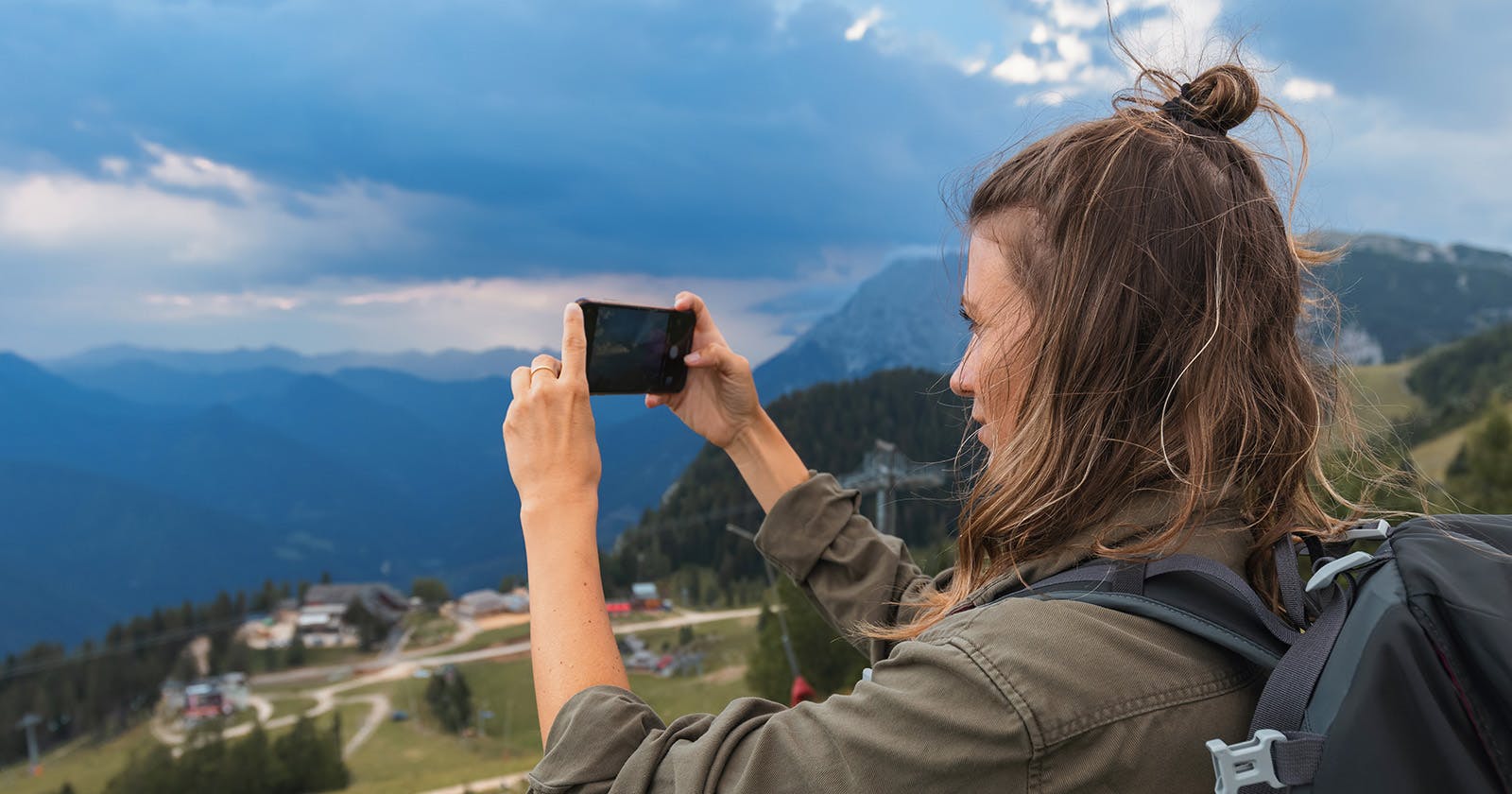
Roaming is one of those terms almost everyone has heard but few really understand. Many people in Switzerland only realise what roaming truly means when they travel abroad and face unexpected bills or no network connection. This article explains in simple terms what roaming is, how it works, why it can be expensive, and how to use it wisely or avoid it altogether.
What roaming actually means?
This means your smartphone connects to a foreign mobile network, because your Swiss provider does not operate its own network in that country.
Technically, roaming works through agreements between your provider and foreign networks. These agreements allow your provider to use their infrastructure, so you can call and browse online even when you are outside your home network.
There are two main types of roaming:
- National roaming, when you connect to another Swiss network (for example in border regions).
- International roaming, when you use a foreign network after crossing the national border.
The goal is simple: to allow seamless communication across borders.
But this convenience comes at a cost, as using foreign networks can lead to extra charges.
Why roaming matters for you?
Today, roaming affects almost everyone. Whether you travel for leisure, for work, or live near a border, your phone can automatically connect to a foreign network.
Typical situations where roaming becomes relevant:
- You are on holiday and want to stream your favourite shows.
- You work on the go and use your smartphone as a hotspot.
- You live in a border region and your phone connects to a foreign network.
In all these cases, roaming can lead to additional costs, especially if you use a lot of data or make frequent calls.
That is why it is essential to know how to control or disable roaming to avoid unpleasant surprises.
Roaming specifics in Switzerland
Switzerland is not part of the European Union, which means the EU roaming rules do not apply here. Within the EU, the “roam like at home” rule allows travellers to use their mobile plan abroad without extra fees.
In Switzerland, things work differently. Swiss providers negotiate their own roaming agreements with foreign networks, so prices vary depending on the country and the provider.
For example, surfing in Germany or Italy usually costs much less than in the United States or Asia. That is why it is smart to check roaming rates for your destination country before you travel.
Another important point: in border areas such as Basel, Chiasso, or Kreuzlingen, your phone can automatically connect to a foreign network. To avoid this, you can turn off automatic network selection or set a spending limit in your phone settings.
What roaming costs
Roaming can be expensive, but it does not have to be. The cost depends on the country you are in, the network you use, and your mobile plan.
The main cost categories are:
- Data roaming: using mobile data abroad for browsing, streaming, or navigation.
- Voice roaming: making or receiving calls while abroad.
- SMS roaming: sending or receiving text messages.
Common cost traps include:
- automatic app updates,
- cloud synchronisation (photos, emails, backups),
- streaming services or video calls,
- accidental connection to foreign networks in border areas.
To protect you, most providers offer a roaming cost limit. Once this limit is reached, data services are automatically blocked so your bill remains under control.
Tips for using roaming smartly and avoiding extra costs
There are several ways to manage roaming efficiently and save money.
The best tips:
- Turn off data roaming when you do not need it. You can find this option in your phone’s settings.
- Use Wi-Fi whenever possible, for example in hotels, cafés, or airports.
- Activate a roaming package or international plan before you travel. These often include data and calls at lower prices.
- Disable automatic app updates to avoid unnecessary data consumption.
- Turn on airplane mode if you only want to connect via Wi-Fi.
Modern providers like CHmobile let you activate or pause roaming anytime, depending on where you are.
eSIM, Dual SIM and roaming: solutions for frequent travellers
New smartphones offer smarter solutions to manage roaming and stay connected affordably.
With an eSIM, you can store several profiles at the same time, for example your Swiss plan and a local SIM for your destination country.
This helps you avoid high international charges while staying reachable.
Dual SIM devices let you use two different providers at once. You can choose which SIM to use for data and which for calls.
These technologies are especially useful if you:
- travel abroad frequently,
- work remotely,
- or combine multiple plans for more flexibility.
Common misconceptions about roaming
Many people think roaming is always expensive or complicated, but that is no longer true.
Myth 1: Roaming is automatically free in Europe
False. This only applies to EU countries that follow the “roam like at home” rule. Switzerland has its own rules and pricing.
Myth 2: Roaming is the same as international calls
Not exactly. When you are roaming, you use a foreign network but keep your Swiss number. An international call means calling from Switzerland to a foreign number.
Myth 3: Wi-Fi completely replaces roaming
Not always. Wi-Fi networks in hotels or airports can be overloaded or insecure. Roaming is often the more reliable option for a stable connection.
Quick takeaways
- Roaming means using a foreign mobile network while abroad.
- Switzerland is not part of the EU, so the “roam like at home” rule does not apply.
- Costs mainly come from data, calls, and SMS abroad.
- You can avoid high fees by turning off roaming or using Wi-Fi.
- eSIM and Dual SIM are flexible solutions for frequent travellers.
- Always check your roaming rates before travelling.
Conclusion
Roaming is a convenient way to stay connected abroad, whether for work, travel, or keeping in touch with family and friends. However, it can lead to unexpected costs if you are not aware of the rates.
By understanding how roaming works, you can avoid surprises, control your usage, and travel worry-free. Check your settings, compare offers, and take advantage of modern technologies like eSIM and Dual SIM to stay flexible.
A fair provider like CHmobile helps you use roaming in a simple, transparent, and secure way, so you can stay connected without worry, even outside Switzerland.
Frequently asked questions (FAQ)
What does roaming mean exactly?
Roaming is the use of a foreign mobile network when you are outside your home country.
Does EU roaming apply to Switzerland?
No. Switzerland is not a member of the EU, so it has its own rules and pricing.
How can I turn off roaming?
In your phone’s settings, you can disable data roaming and only use Wi-Fi.
What is the difference between roaming and international calls?
When roaming, you make calls abroad using your Swiss number.
An international call means dialing a foreign number from Switzerland.
How can I avoid high roaming costs?
Use Wi-Fi, buy a local SIM card, or activate a roaming package with your provider before you travel.